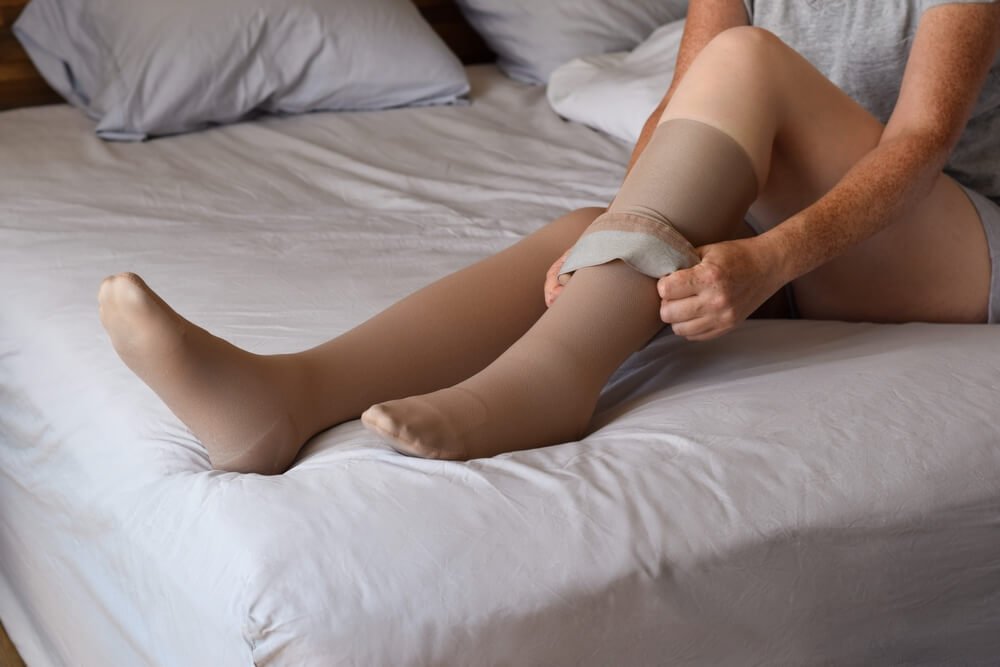
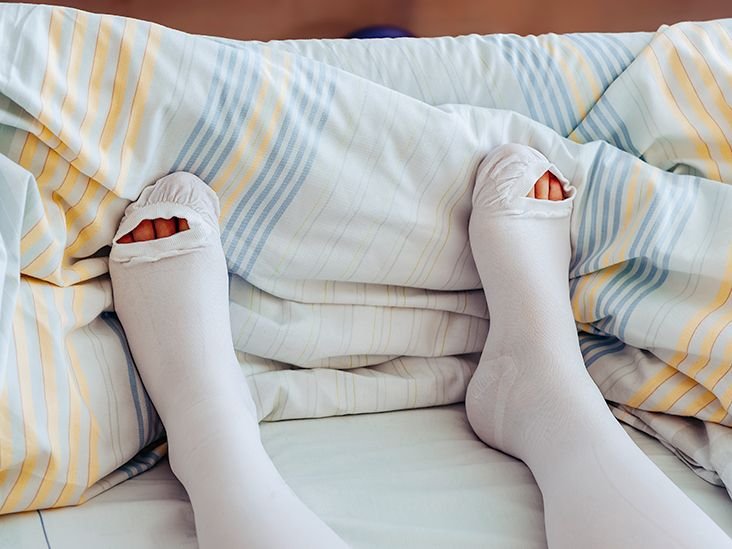
You shouldn’t wear compression socks at night because your legs are usually level with your heart while you sleep, making the extra pressure unnecessary and potentially harmful to your blood flow. If you wear them while lying flat, you risk creating a tourniquet effect that restricts circulation instead of helping it.
Why you shouldn’t wear them at night
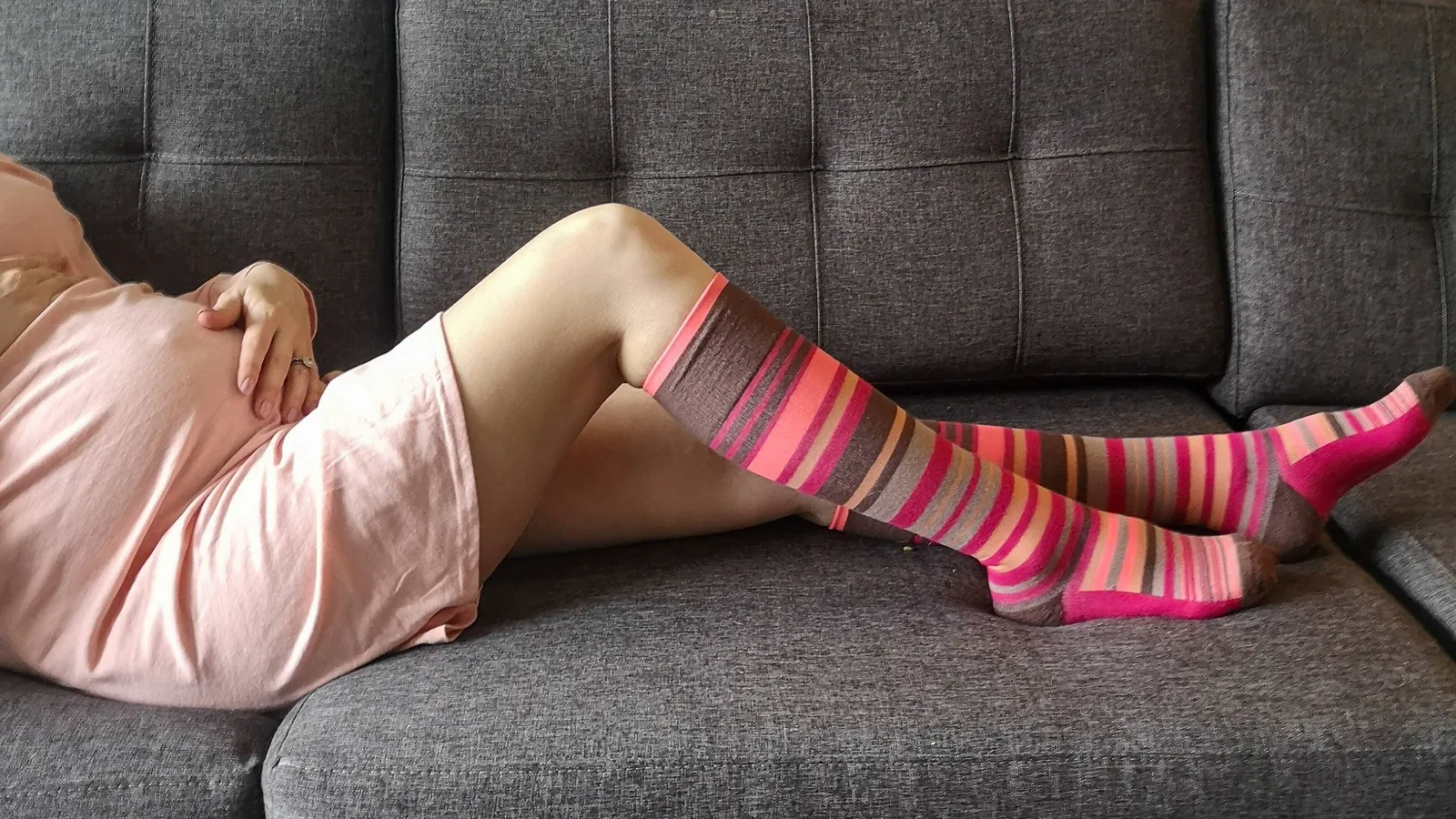
The following table categorizes common scenarios based on whether using compression garments is safe. Always check your specific medical advice from a doctor before changing your routine.
| Situation | Safe? | Why |
|---|---|---|
| Walking during day | Yes | Gravity pulls blood down |
| Sitting on long flights | Yes | Prevents pooling in ankles |
| Sleeping in bed | No | Horizontal position changes pressure |
| Napping in a chair | With care | Legs remain below heart |
| Swollen legs at night | No | Consult a doctor first |
| Pregnancy symptoms | With care | Requires specific doctor guidance |
| Post-surgery recovery | With care | Use only as prescribed |
The risks of nighttime use
The primary danger of wearing compression gear while sleeping is the restriction of arterial blood flow. When you’re standing or sitting, these socks help push blood back up toward your heart against the pull of gravity. However, when you lie down, your legs are at the same level as your heart, and this resistance disappears. If you wear tight socks in this position, you can interfere with the natural flow of oxygenated blood to your feet and toes.
If you wear them at night, the fabric can bunch up or slide, creating tight bands that dig into your skin. This may lead to pressure sores or skin irritation, especially in people with thin skin or poor circulation. Always follow the specific instructions provided by your healthcare provider regarding the duration of wear.
When to stop using them immediately
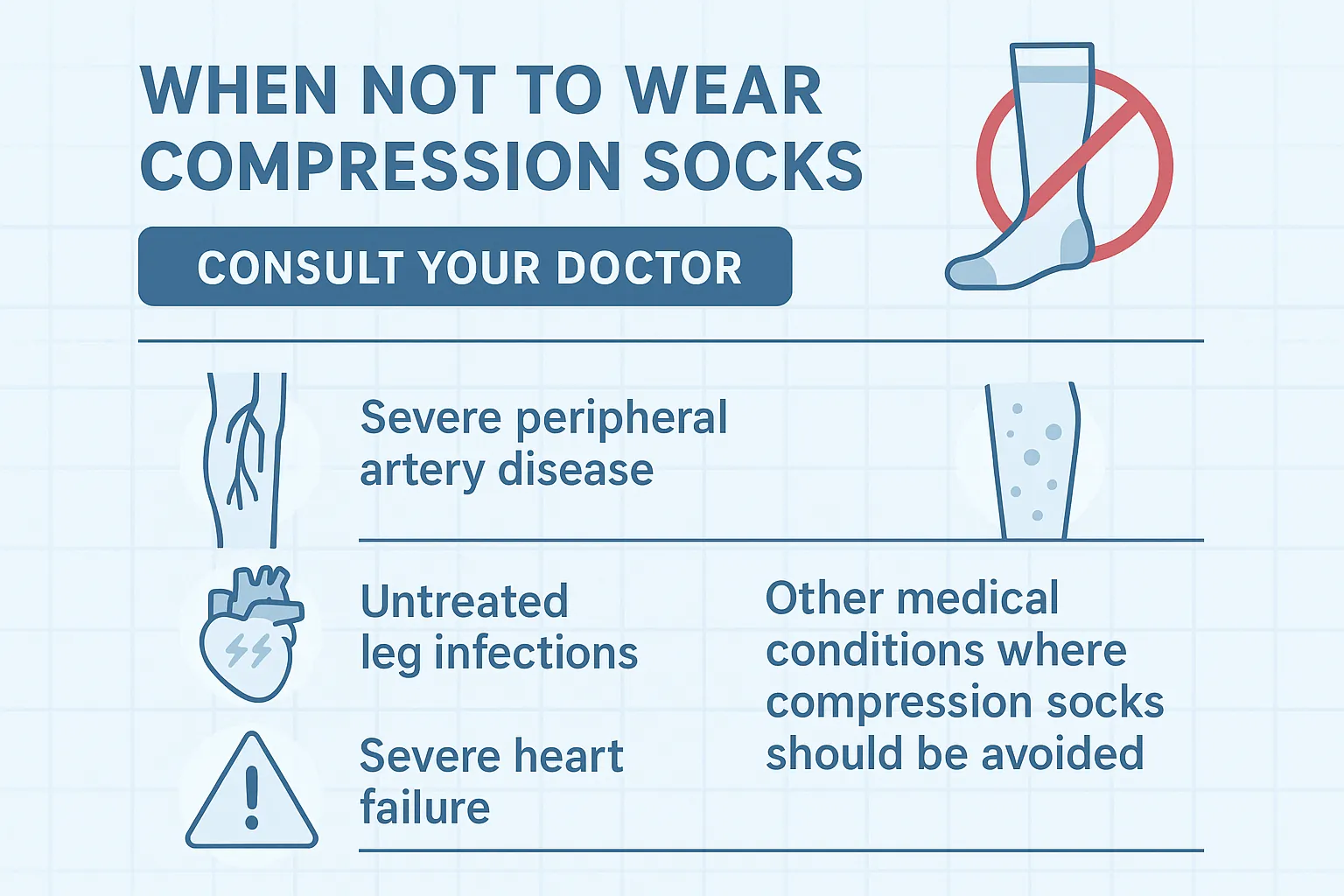
If you notice any of these signs, remove the socks at once and check your skin for changes.
- Numbness or tingling: This means nerves are being compressed.
- Cold or pale toes: This indicates restricted blood supply.
- Blue or purple skin: This is a sign of severe circulatory blockage.
- Pain or cramping: The fit is too tight for your legs.
- Deep skin indentations: The socks are cutting off circulation.
If you have persistent pain, consult a doctor; never attempt to modify the socks yourself.
How to manage leg swelling safely
- Put your compression socks on first thing in the morning while your legs have the least amount of fluid.
- Ensure the fabric is smooth against your skin, with no folds or wrinkles around the ankles or behind the knees.
- Remove the garments before you get into bed for the night to allow your skin and blood vessels to recover.
- Elevate your legs on a pillow for 15 to 20 minutes before bedtime if you deal with regular evening swelling.
- Check your skin daily for any red marks or broken areas that might indicate the socks aren’t fitting well.
What to do if problems occur
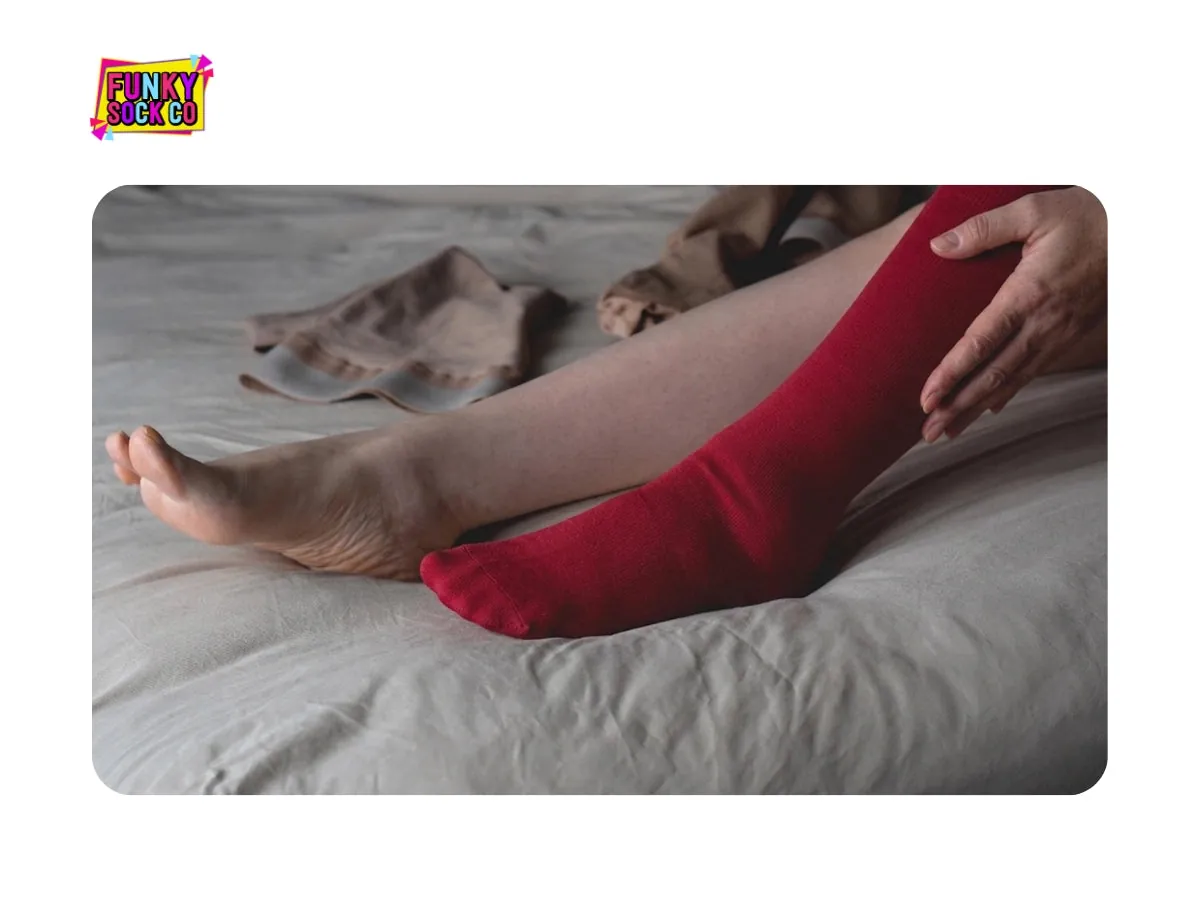
If you wake up with painful, cold, or discolored feet after wearing socks overnight, take them off immediately. Gently massage your legs to help restore normal blood flow and keep your legs elevated on a pillow.
If the color or feeling doesn’t return to normal within 30 minutes, or if you feel severe pain, you should contact a medical professional. Never ignore numbness or persistent color changes, as these require an assessment by a doctor who can determine if there’s an underlying vascular issue.
Frequently asked questions
Can I wear compression socks for a nap?
Yes, you can wear them during a short nap if you’re sitting upright, but it’s better to remove them if you lie flat. The key is keeping your legs below your heart level to avoid unnecessary pressure.
How long should I wear compression socks each day?
Usually, you should wear them for 8 to 12 hours while you’re active and upright. Always check the specific recommendations from your doctor, as the required time depends on your medical condition and the level of compression you need.
Why do my feet hurt after wearing them?
The socks are likely too tight or the wrong size if you feel pain. A proper fit should feel firm but never restrictive, so check the manufacturer’s sizing guide to ensure you have the correct measurements for your calf and ankle.
Does it matter if the socks bunch up?
Yes, it matters because bunched fabric creates a tight band that acts like a tourniquet. You must smooth out all wrinkles when putting them on to prevent skin damage and ensure the pressure is distributed evenly across your leg.
What happens if I fall asleep in them?
Usually, nothing serious happens if you do it once, but it isn’t recommended for regular use. If you have diabetes or poor circulation, you should be extra careful, as these conditions increase the risk of skin damage or restricted blood flow.