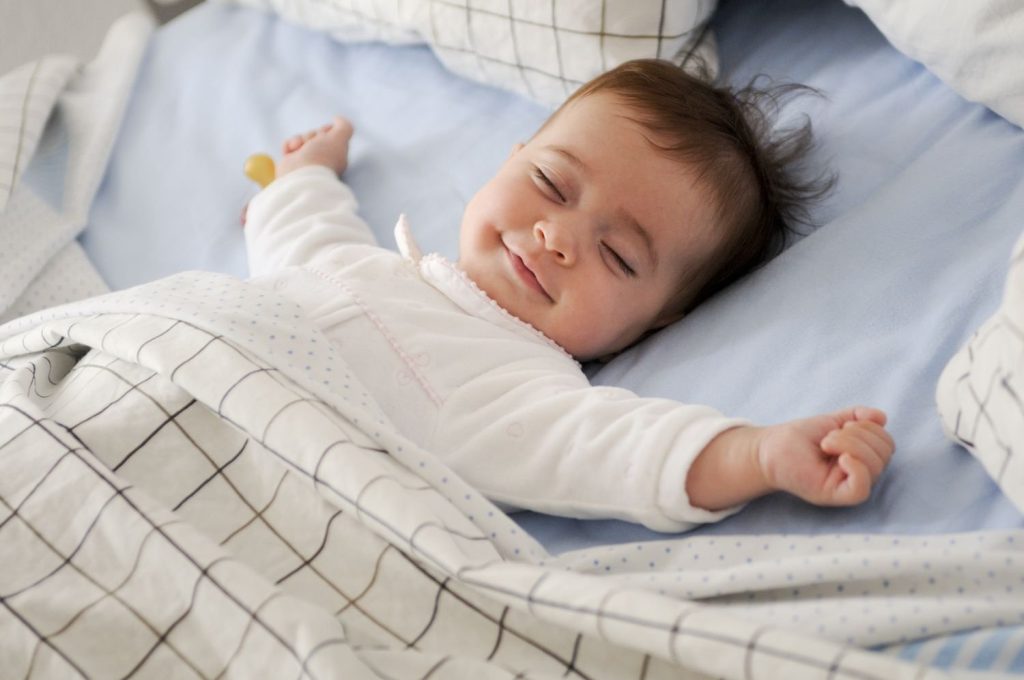
Babies often smile in their sleep because of involuntary muscle twitches linked to the rapid eye movement, or REM, cycle of their brain activity. This reflexive movement is a normal sign of healthy development in newborns and young infants as their nervous system matures.
Understanding infant sleep smiles
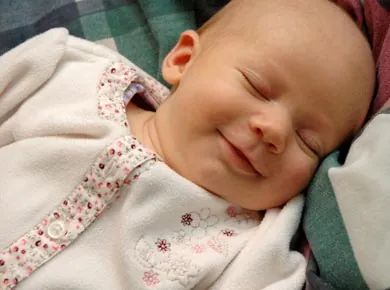
These smiles are typically reflexive rather than emotional responses. During the REM stage of sleep, your baby’s brain is very active, which can cause random physical movements including facial expressions. While it looks like your baby is reacting to a dream, they’re simply processing internal stimuli that cause their facial muscles to contract briefly.
Why these expressions happen
- Reflexive muscle activity: Early smiles are often just muscle twitches that happen during deep or REM sleep cycles.
- Brain development: Active sleep is vital for learning and helps the brain build connections while your baby rests.
- Gas or discomfort: Sometimes a small grimace or smile may occur if the baby is passing gas or shifting positions.
- Dream states: Researchers believe these expressions are part of normal sleep cycles, even though we can’t know for sure what infants dream about.
- Social transition: As babies reach 6 to 8 weeks, these reflexive smiles slowly turn into social smiles when they’re awake.
Why this happens during rest
The primary reason for these smiles is the high volume of REM sleep that newborns experience compared to adults. According to the National Institute of Neurological Disorders and Stroke, infants spend about half of their total sleep time in REM, which is the stage where most intense brain activity and dreaming occur. This high level of neurological activity keeps the brain busy, leading to involuntary physical movements like blinking, sucking, or smiling.
These smiles don’t mean your baby is unhappy or feeling pain. It’s simply a sign that the brain is working hard to develop, even while they’re completely relaxed. Because their nervous system is still learning to control muscle movements, they can’t yet stop these small facial spasms from happening. It’s a natural part of their growth process as they move toward more stable sleep patterns later in their first year.
When the answer is different
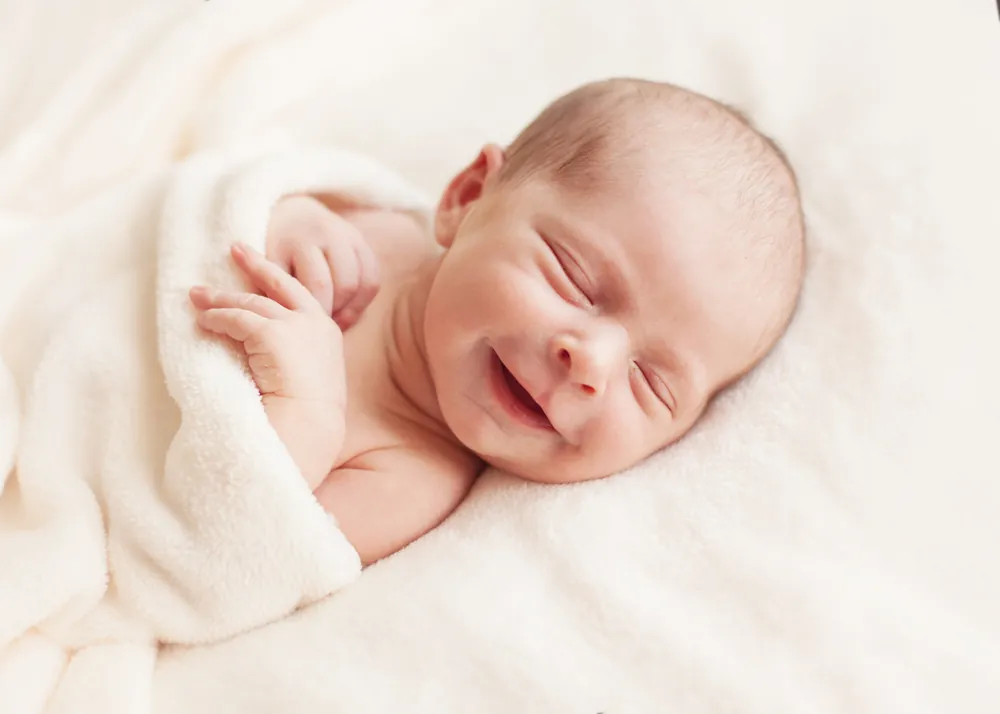
Sometimes a smile is a sign of a physical need rather than a simple reflex of the brain. If you notice other behaviors alongside the smile, you should check for specific triggers that might be waking your baby up.
| Situation | What changes | What to do instead |
|---|---|---|
| Frequent crying | Baby wakes up upset | Check for hunger or diaper |
| Stiff body | Muscles are very tight | Gently soothe and reposition |
| Hot skin | Baby is overheating | Remove one light layer |
| Short breaths | Breathing is irregular | Monitor for normal rhythm |
| Constant waking | Sleep is interrupted | Keep the room quiet |
How to manage your baby’s sleep
You should focus on creating a safe and consistent environment to help your baby get the best rest possible. If you’re worried about their sleep, follow these steps to ensure they’re comfortable and safe during their naps and nighttime rest.
- Keep the room temperature between 68 and 72 degrees Fahrenheit to ensure your baby doesn’t get too hot while sleeping.
- Place your baby on their back for every sleep, as this is the safest position recommended for all infants.
- Remove all loose blankets, pillows, and stuffed animals from the crib to prevent any risk of suffocation during their active sleep cycles.
- Use a firm mattress with a tight-fitting sheet to provide the necessary support for your baby’s developing spine and body.
- Watch for signs of hunger or discomfort if the baby wakes up fully, as these often look like reflexive smiles at first.
- Keep the sleep area quiet and dimly lit to help your baby stay in their natural sleep cycle for as long as possible.
The mistakes that ruin rest
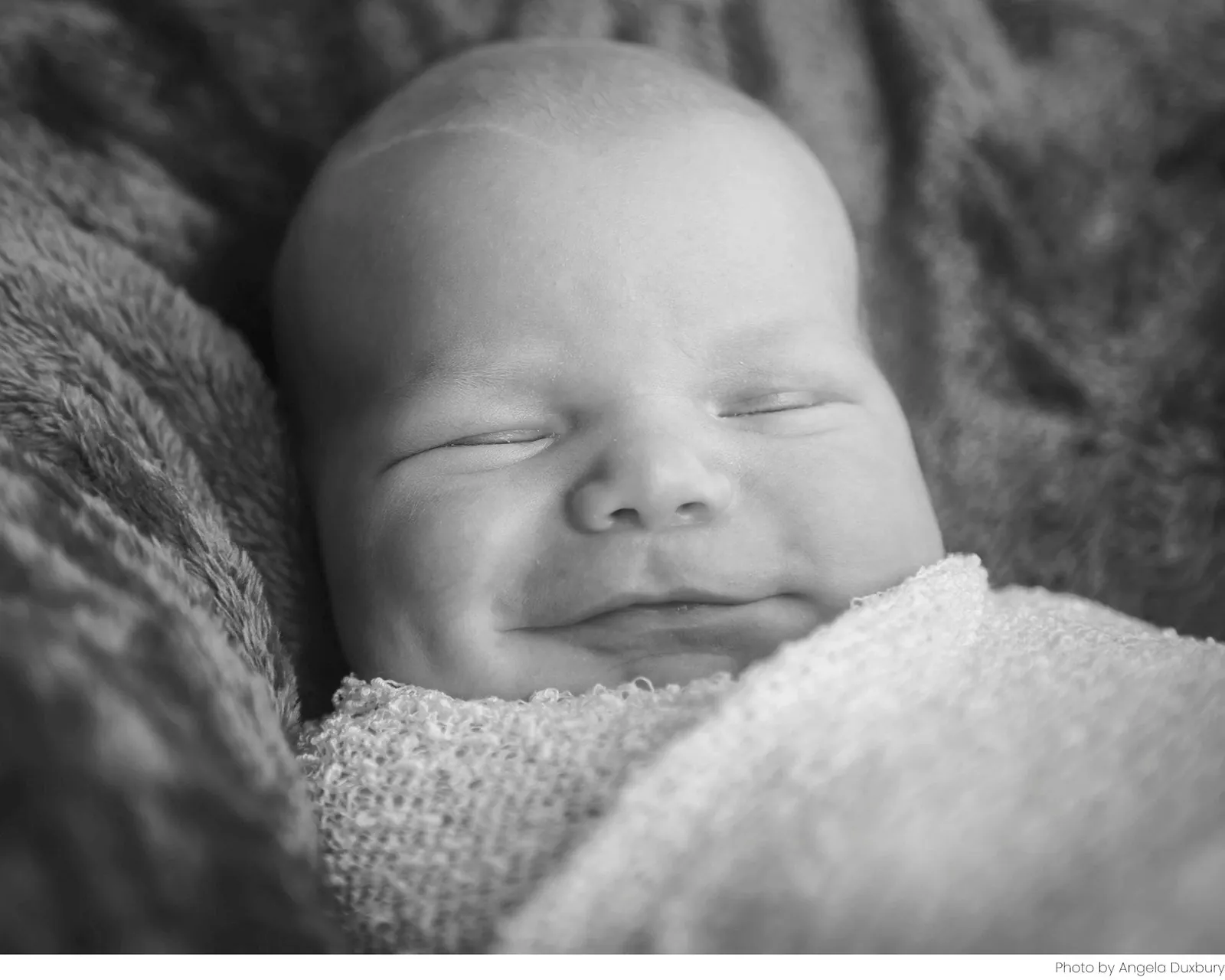
- Mistaking a sleep smile for a social smile and waking the baby up to play can interrupt their brain development.
- Adding too many blankets to the crib because you think the baby is cold increases the risk of overheating.
- Moving the baby to a different room every time they twitch can prevent them from learning how to settle themselves.
- Ignoring signs of actual illness, like a fever or persistent crying, because you assume the baby is just dreaming.
Frequently asked questions
Can sleep smiles mean my baby is sick?
No, a smile during sleep is almost always a normal part of development. If your baby is eating well, gaining weight, and acting normal while awake, these expressions aren’t a sign of illness or any medical problem.
How long do these smiles last?
These smiles usually last for only a few seconds before the baby’s face returns to a neutral expression. They occur most often during the first few months of life while the baby spends more time in REM sleep cycles.
Is it safe to wake a baby who is smiling?
It’s better to let your baby sleep, as they need this time for their brain to grow and rest. Waking them up just to see them smile can interrupt their sleep cycle and make them irritable when they do wake up.
Why does my baby smile and then cry?
A smile followed by crying often means the baby was startled by a reflex or felt a sudden physical sensation like gas. If they wake up crying, check their diaper and see if they’re hungry or need to be burped.
Does it matter if the smile is lopsided?
It doesn’t matter if the smile looks uneven, as it’s just a random muscle twitch. Because the nervous system is still maturing, these facial movements are rarely symmetrical in young infants during their sleep.
What happens if the baby smiles while feeding?
A smile while feeding is usually a sign of contentment rather than a sleep reflex. If your baby smiles while nursing or taking a bottle, they’re likely feeling full and happy in that specific moment.