
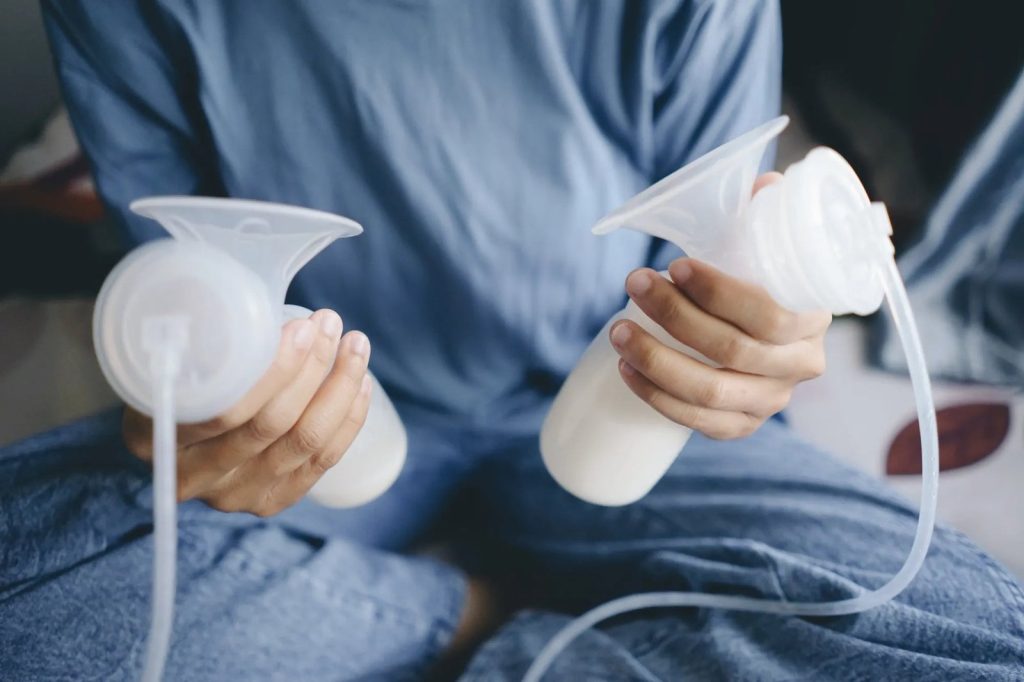
Usually not, but babies can experience sedation or health issues if a mother uses certain substances while breastfeeding. Whether a baby can get high from breastfeeding depends on the specific drug, the dosage consumed, and the time since the last use. Consult your doctor immediately if you have concerns.
Can breastfeeding make your baby high

The risk to your baby changes depending on the specific substance involved. Some substances pass into breast milk in high amounts, while others remain trapped in the mother’s system or have a short half-life.
| Substance type | Risk level | Note |
|---|---|---|
| Alcohol | Moderate | Levels peak 30-60 minutes after consumption. |
| Cannabis | High | Can be detected in breast milk for extended periods. |
| Opioids | High | Risk of severe infant sedation. |
| Tobacco | Moderate | Reduces milk supply and increases SIDS risk. |
| Caffeine | Low | May cause infant irritability in high doses. |
Most drugs transfer to milk based on how much enters your blood. If you take a medication, it enters your milk at a rate determined by its molecular weight and protein binding. If you use a substance, you must wait for it to clear your system entirely before nursing to minimize the amount your baby receives.
Factors affecting milk contamination
The primary factor deciding if a substance reaches your baby is its “milk-to-plasma” ratio. This ratio measures how easily a drug moves from your blood into your breast milk. A drug with a high ratio is more likely to reach the baby in significant amounts.
The baby’s age and liver function are also critical factors. A newborn has a much slower metabolism than an older infant, meaning they can’t break down substances as effectively. This makes them more vulnerable to even small amounts of drugs in breast milk. The American Academy of Pediatrics provides specific guidelines on how various medications and substances impact nursing infants.
If you use a medication, then wait the recommended time for it to clear your system; if you use illicit substances, then don’t breastfeed until you have consulted a medical professional.
If you must use medication

If your doctor prescribes a necessary medication, follow these steps to reduce the risk to your infant:
- Ask for the safest option: Request a medication with a low milk-to-plasma ratio that’s known to be safer for nursing.
- Time your doses: Take the medication immediately after breastfeeding to maximize the time before your next nursing session.
- Monitor the baby: Watch for signs like unusual sleepiness, poor feeding, or irritability during the 24 hours after you take the dose.
- Use a pump and dump: If the medication is unsafe, pump and discard your milk until the drug is cleared from your system.
These steps help minimize exposure, but they don’t eliminate all risks. Always confirm the safety of your specific drug with a pediatrician before continuing.
The common mistake with timing
People often assume that “pumping and dumping” immediately after using a substance removes it from their milk supply. This is a mistake because it only removes the milk currently in the breast, not the substance circulating in your blood.
As long as the substance remains in your bloodstream, your body will continue to produce contaminated milk. This error can lead to a false sense of security, causing mothers to feed their babies milk that still contains high levels of the drug. Always wait for the substance to clear your blood.
When to seek professional help

Some situations require you to stop breastfeeding or consult a specialist immediately. You should reach out to a lactation consultant or pediatrician if you see these signs:
- Excessive infant sleepiness or difficulty waking for feedings.
- Sudden drop in the infant’s weight gain or growth.
- Signs of withdrawal or extreme irritability in the baby.
- Your doctor changes your prescription to a high-risk medication.
These symptoms suggest your baby is receiving a dose that their body can’t handle safely. A professional can help you decide whether to pause breastfeeding or switch to a different management plan.
Frequently asked questions
Can I drink alcohol while breastfeeding?
You can drink, but it’s safest to wait at least two hours per standard drink before breastfeeding. Alcohol levels in breast milk match your blood alcohol level, so timing is the only way to lower the concentration.
How long does cannabis stay in breast milk?
There’s no safe “wait time” to ensure the milk is clear, making it risky for nursing mothers.
Is caffeine safe for my baby?
Small amounts are generally safe, but consuming more than 300 milligrams of caffeine daily may cause irritability. Monitor your baby for signs of restlessness or trouble sleeping after you have consumed coffee or soda.
What happens if I smoke cigarettes?
Smoking reduces your milk supply and increases the risk of sudden infant death syndrome. If you smoke, you should try to wait as long as possible after smoking before you start to feed your baby.
Does the baby get high from nicotine?
The baby doesn’t get high, but they receive nicotine through the milk, which affects their heart rate and sleep patterns. Nicotine also changes the composition of your milk, making it less nutritious.
Is it safe to take pain medication?
Most common over-the-counter pain relievers are safe, but you must check the specific dose and frequency with your doctor. Some prescription painkillers can cause dangerous sedation in infants and should be avoided.
Steps to take for safety
Start by making a list of all substances, medications, or supplements you use and bring it to your next appointment. You should expect your doctor to review these items and suggest safer alternatives if necessary. If you notice your baby acting unusually drowsy, stop breastfeeding and call your pediatrician immediately.